Fence Maintenance Tips
Technical, realistic care that keeps your fence strong
Safety First
Wear eye protection and gloves when handling cleaners or cutting debris.
Turn off nearby irrigation zones before working along the fence line.
Use a stable ladder if you need height. Stay clear of power lines and pool equipment wiring.
If a post is leaning near a utility, do not touch it. Call the utility first.
Quick Seasonal Routine
Walk the line at the start of summer and after the first major storm.
Check gates for smooth swing and clean latching.
Look for movement at posts, loose rails, or hardware that has backed off.
Clear plants and mulch away from the base so air can move and water can drain.
How To Inspect Like A Pro
Move slowly and use your hands. You are checking alignment, fasteners, and contact points.
2. Rails and panels: and panels: For vinyl and aluminum, confirm that panels are seated in the rails and that rail connections feel secure. For wood, confirm rails are tight to posts and that board ends are not splitting.
3. Fasteners: Look for rust staining or fasteners that have backed off. Tighten a quarter turn at a time. Do not overtighten.
4. Gates: Open and close each gate. Latch should catch cleanly. If a gate drags, note which side and how much.
5. Drainage: Look for soil that has piled up against the fence. Pull back mulch a few inches so the base can dry.
More on Hardware & Hinges
Cleaning That Works Without Damage
Start mild. Only step up if needed. Avoid abrasive pads on coated metal or vinyl.
VINYL
- Rinse from top to bottom.
- Mix mild dish soap with water and use a soft brush for spots.
- For sprinkler mineral stains, use a white vinegarand water mix, then rinse.
- For algae in shade, use a vinyl safe cleaner from a home center and follow the label.
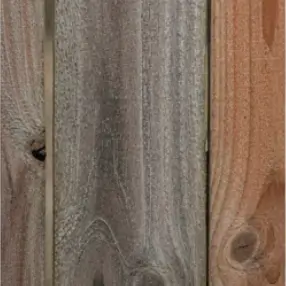
WOOD
- Rinse gently.
- Use a wood safe exterior cleaner when needed and
rinse well. - Let the surface dry fully before applying any sealer or stain.
ALUMINUM
- Rinse rails and pickets.
- Wipe hardware with a damp cloth.
- If you are near salt air, a quick rinse during dry spells removes salt film and protects the finish.
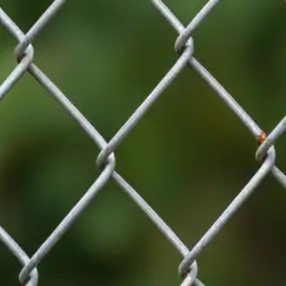
CHAIN LINK
- Rinse fabric and framework.
- Brush out trapped debris at the bottom where
leaves collect.
VINYL
- Rinse from top to bottom.
- Mix mild dish soap with water and use a soft brush for spots.
- For sprinkler mineral stains, use a white vinegarand water mix, then rinse.
- For algae in shade, use a vinyl safe cleaner from a home center and follow the label.
CHAIN LINK
- Rinse fabric and framework.
- Brush out trapped debris at the bottom where leaves collect.
ALUMINUM
- Rinse rails and pickets.
- Wipe hardware with a damp cloth.
- If you are near salt air, a quick rinse during dry spells removes salt film and protects the finish.
WOOD
- Rinse gently.
- Use a wood safe exterior cleaner when needed and
rinse well. - Let the surface dry fully before applying any sealer or stain.
PRESSURE WASHING NOTE: Keep a safe distance if you use a pressure washer. High pressure at close range can scar vinyl, strip powder coat, and raise grain on wood. A garden hose with a nozzle plus a soft brush is enough for most cleaning.
Corrosion Control and Hardware Care
South Florida air carries moisture and salt. Small habits prevent surface staining and hinge wear.
- Use stainless or powder coated hardware for replacements.
- Rinse hinges and latches occasionally, especially near the coast.
- If a hinge squeaks, a drop of silicone lubricant at the pivot is enough. Avoid heavy oils that attract grit.
- Replace any non coated screws that start to stain apanel. One uncoated fastener can create a rust
streak on vinyl or aluminum.
Gate Tune Ups You Can Do
- Check hinge bolts. If a nut has backed off, tighten it a little and test again.
- If the latch does not catch, loosen the striker screws, shift a small amount, and retighten.
- For double drive gates, verify both drop rods engage and that the meeting edges align.
- After heavy rain or wind, swing each gate once or twice. If it drags, note the direction and call if it does not settle as the ground dries.
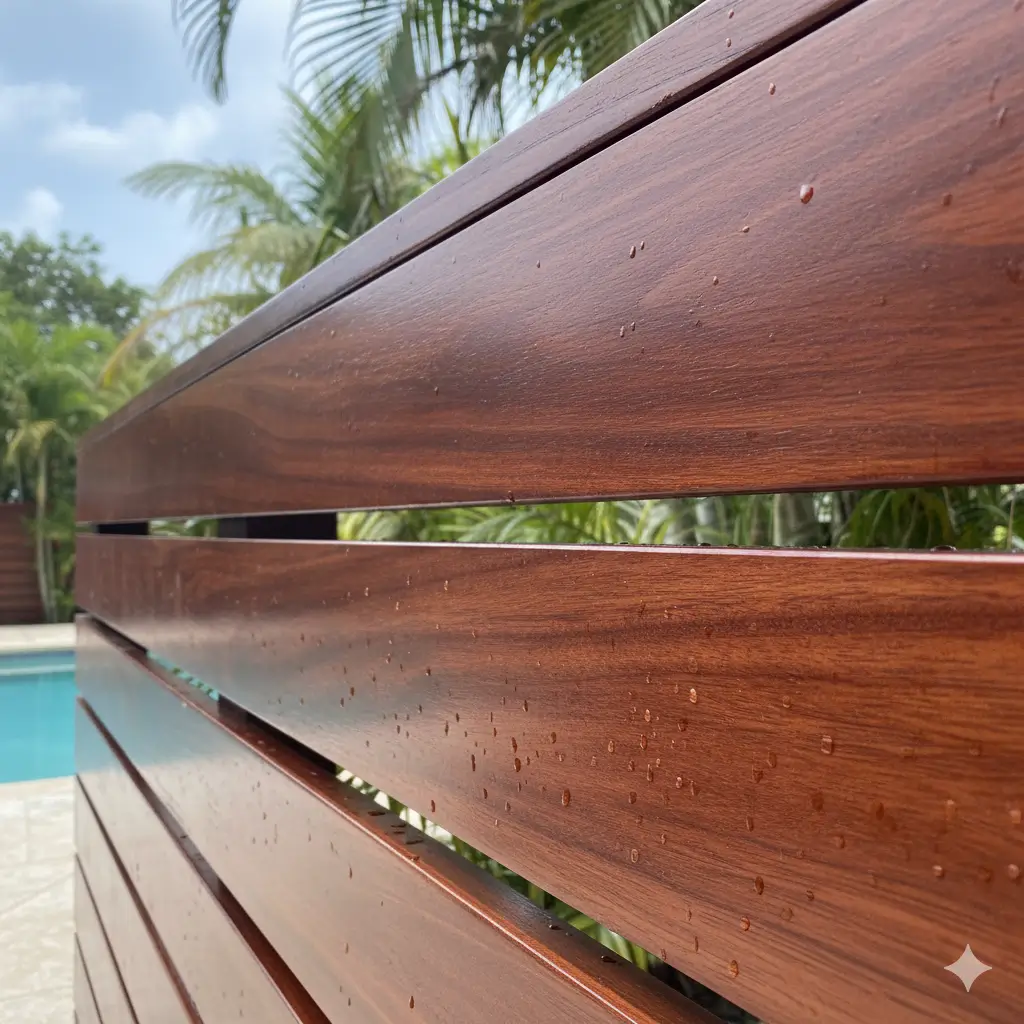
Wood Finish That Lasts in Our Climate
- Use exterior sealers or stains rated for high UV.
- Clean and allow to dry before applying any product.
- Do not apply finish in direct mid day sun. Early morning or late afternoon is better for even penetration.
- Pay attention to board ends and cut edges. Seal
these areas carefully. - Keep plants and mulch a few inches from the base to prevent trapped moisture.
Managing Irrigation and Hardware
- Aim heads away from the fence where possible.
- If you see white streaks on vinyl or aluminum, treat with a vinegar and water mix, then rinse.
- Fix broken heads that splash directly on the fence.
- If a zone must hit the fence, plan a quick rinse now and then to remove minerals and soil.
After The Storm
- Walk the line and look for leaning posts, loose panels, or twisted fabric.
- Check gate alignment and latching.
- Take photos before moving debris.
- Cut branches into manageable pieces rather than prying against the fence.
If a post has clearly shifted or a section feels unstable, pause and call us. Early service prevents larger work later.
Coastal Considerations
- Rinse rails, pickets, and hardware during dry spells.
- Wipe latch areas where salt film collects.
- Inspect powder coated parts for chips. Touch up small spots with manufacturer approved paint to prevent underfilm corrosion.
When A Service Visit Makes Sense
- Movement at the base of posts after dry weather
- Rails that have pulled out of pockets or brackets
- Gates that will not self close or self latch at a pool
- Split wood boards that continue to open after a dry period
- Chain link fabric that has lost tension along a corner or end post
Do Not Do This
- Do not hang tarps or storm panels from the fence.
- Do not lean heavy debris against the fence to hold it down.
- Do not bleach wood or use harsh solvents on vinyl or aluminum.
- Do not try to re set a leaning post by rocking it. That can crack the footing.
Frequently Asked Questions
How often should I clean the fence?
Clean when you see buildup. Most homes do well with a light rinse a couple of times a year and a short walk after storms.
Yes with care. Keep distance and low pressure. A hose and soft brush is safer for finishes.
When water stops beading or the finish looks dry and flat. In open sun this is often every two to three years. In shade or sprinkler zones, sooner may be needed.
Panels should seat in the pocket. If you are comfortable, you can tap it back into place with a soft block. If it resists or repeats, call us so we can check alignment and support.
Powder coat is designed to be the finish. If touch up is needed, use a manufacturer approved product and prep the spot correctly.