

Hurricane Fence Preperation
Simple steps that protect your fence and your home

When To Act
PRE-SEASON
Do a quick check at the start of hurricane season.
3 - 5 DAYS OUT
1 DAY OUT
Pre-Season Checklist
- Walk the full fence line. Look for loose caps, missing screws, or movement at a post.
- Open and close each gate. The latch should catch smoothly. Hinges should feel solid.
- Trim plants off the fence so air can move and branches cannot rub the surface.
- Check grade at the base. Pull mulch or soil back a few inches so water can drain away.
- Take photos of the fence in good condition. Keep them for reference if you ever need to document damage later.
3-5 Days Before Landfall
- Clear the area. Move planters, furniture, grills, toys, and trash bins away from the fence. Anything that can fly can strike a panel or post.
- Trim what you can. Cut small branches that hang toward the fence. Large limbs should be handled by a pro.
- Check fasteners. If you see a hinge bolt or latch screw that has backed off, snug it gently. Do not overtighten.
- Verify drainage. Make sure downspouts and swales move water away from the base of the fence. Standing water softens soil.
24 Hours Before Landfall
- Secure gates.
- Latch each gate. Add a temporary tie near the top and near the middle so the leaf cannot swing.
- For double drive gates, drop both rods, latch the leaves together, and add temporary ties so they act as one piece.
- Do not wedge blocks under the gate. Allow a small gap so water can pass.
- Final sweep for projectiles. Walk the yard and remove anything that could strike the fence.
- Do not attach tarps or panels to the fence. Fences are not rated as wind walls. Added coverings trap wind and increase load on posts.
- Do not lean heavy objects on the fence. Extra weight at the wrong point can cause failure when the wind shifts.
Material Specific Notes
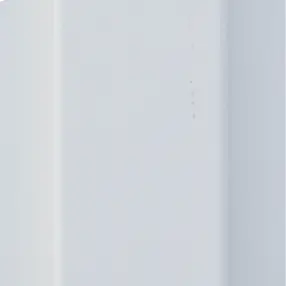
VINYL
Make sure panels are seated in the rails. Tap a panel gently to confirm it is engaged.
Rinse off salt film if you live close to the water. Clean surfaces shed wind driven grit better.
Do not try to remove panels. Leave the system assembled.
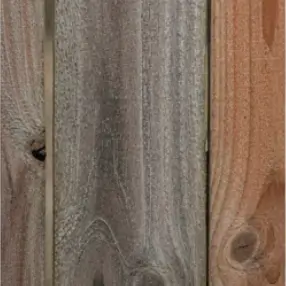
WOOD
Trim vines and plants off the boards so they do not hold water against the surface.

ALUMINUM
Verify that pool gate latches still self close and self latch after you secure them.
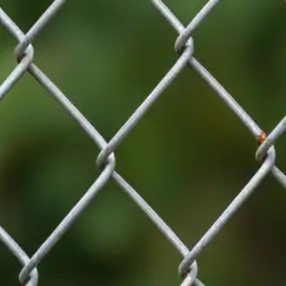
CHAIN LINK
VINYL
Make sure panels are seated in the rails. Tap a panel gently to confirm it is engaged.
Do not try to remove panels. Leave the system assembled.
WOOD
ALUMINUM
CHAIN LINK

Right After The Storm
- Safety first. Watch for live wires, broken glass, and sharp metal. If a fence is leaning near a utility, keep clear and call the utility first.
- Walk the fence line. Look for leaning posts, cracked rails, missing caps, and damage at gates.
- Open and close each gate. Gates should swing freely and latch. If they drag, note which direction and how much.
- Take photos. Document any damage before you move debris. This helps with insurance and with planning repairs.
- Clear debris carefully. Cut fallen limbs into manageable pieces so you do not pry against posts.
Basic Post Storm Care You Can Do
- Rinse vinyl and aluminum to remove grit and salt.
- Tighten hinge bolts if a gate feels loose. Make small turns and test again.
- Press vinyl caps back into place with firm hand pressure.
- For wood, let the line dry before making finish decisions. Wet boards can look worse than they are.
If a post has shifted or a section feels unstable, pause and call us. A small correction now prevents larger work later.
What Not To Do
- Do not hang storm panels or plywood from the fence.
- Do not strap tarps to the fence.
- Do not push heavy debris against the fence to hold it down.
- Do not try to re set a leaning post by rocking it. This can break the footing or crack adjacent panels.
Insurance & Permits For Repairs
- Keep your pre storm and post storm photos.
- Save your permit number if repairs require a permit.
- Many cities treat like for like storm repairs as standard work. We confirm current rules and handle submittals so inspection is straightforward.
Service Checklist We Follow
- Post plumb and footing stability.
- Rail connection points and panel seating.
- Gate alignment, hinge condition, and latch function.
- Surface condition and any impact marks.
- Drainage along the line where washouts may have occurred.
Frequently Asked Questions
Is it better to leave gates open?
Can I wrap the fence with a tarp for protection?
How soon should I schedule repairs?